

Euroroute Network Solutions
Evolving Cyber Threats in 2026: What ISPs Must Prepare For
Summary
Cyber threats affecting broadband networks are becoming more automated and wide-reaching. As UK ISPs manage larger fleets of remotely controlled Customer Premises Equipment (CPE), consistent security practices help protect networks, customers, and long-term stability. Cyber security is now closely linked to everyday network operations. For UK ISPs, it influences reliability, customer trust, and regulatory confidence.
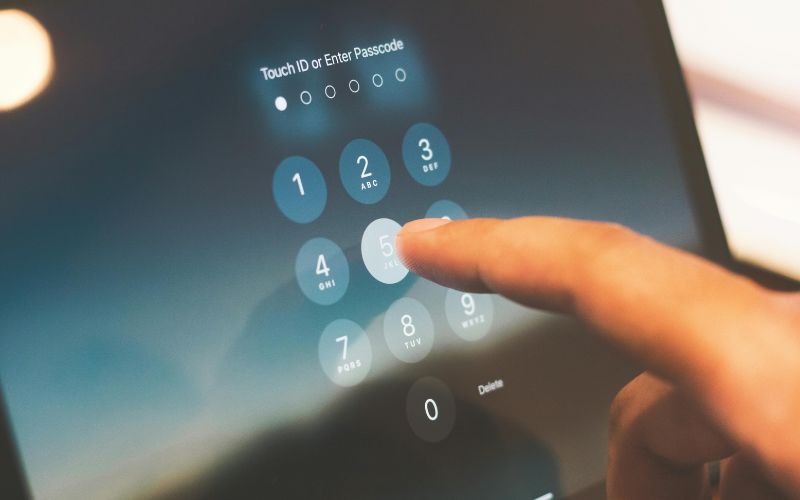
As full-fibre networks expand and remote management becomes standard, ISPs oversee thousands of connected devices across homes and businesses. Each piece of Customer Premises Equipment forms part of the wider service environment. When security controls are clear and consistent, networks remain stable even as threats evolve.
Connected device fleets require steady oversight
Broadband routers and connected home devices continue to attract attention from attackers. Automated scanning tools search constantly for exposed services or outdated firmware.
When routers are compromised, they are often drawn into wider botnets. These networks can generate traffic spikes, attempt credential harvesting, or scan other systems. Even where the direct impact seems limited, reputation and customer confidence can be affected.
The scale of deployment plays a significant role. Large estates of similar devices benefit from structured configuration, regular updates, and clear monitoring. Consistency across the fleet makes unusual behaviour easier to spot and manage.
Remote management channels deserve careful attention
Remote management platforms such as TR-069 and TR-369 (USP) allow ISPs to configure, monitor, and update CPE efficiently. These tools are central to zero-touch deployment and responsive support.
Secure implementation makes a meaningful difference. Encrypted connections, certificate validation, and controlled access to ACS or USP systems provide a stable management foundation. Network segmentation further reduces exposure by separating management traffic from customer data.
When management channels are well controlled, remote provisioning and firmware updates become both efficient and dependable.
Automation is increasing the pace of threats
Threat activity continues to accelerate. Automated tools can test for weaknesses quickly and repeatedly. AI-assisted techniques can adapt to different environments and identify gaps in configuration.
This pace places value on visibility and responsiveness. Structured firmware management, clear update policies, and real-time monitoring support timely intervention. A predictable patching process reduces the window of exposure.
At the same time, many ISPs are adopting AI-driven tools for fraud detection and network optimisation. Clear governance and oversight of these systems strengthen both operational confidence and external trust.
Security expectations continue to rise
Customers expect reliable connectivity. When service interruptions occur, the cause matters less to them than the outcome. Security, performance, and resilience are closely linked in everyday experience.
Regulatory expectations around network stability and data handling are also developing. Demonstrating consistent processes, secure remote management, and controlled access to systems supports confidence across stakeholders.
Security now sits alongside performance and customer experience as part of overall service quality.
Practical focus areas for 2026
Preparation for evolving cyber threats benefits from a steady and structured approach.
Key areas of focus include:
– Deploying Customer Premises Equipment with secure default settings
– Enforcing encrypted, certificate-based remote management
– Applying signed firmware updates through controlled rollout processes
– Segmenting management traffic and restricting system access
– Monitoring device behaviour and investigating anomalies early
These measures support calm and confident operations, even as networks scale.
Euroroute works with UK ISPs to embed this consistency into deployment and lifecycle management. Through no-touch CPE provisioning, pre-configured devices from partners such as FRITZ!, Icotera, and Kontron, and Cloud ACS-powered remote management via AVSystem, ISPs gain clearer control over configuration, updates, and visibility across their device estate.
Structured deployment and lifecycle oversight reduce variation and help maintain a strong security posture over time.
Building resilience into everyday operations
Cyber threats will continue to evolve in 2026. Automated activity and connected device growth create ongoing challenges. Clear processes, consistent configuration, and reliable visibility allow ISPs to manage these risks steadily.
When Customer Premises Equipment is treated as part of core infrastructure and managed with care, networks remain resilient and customers experience stable service.
Contact Euroroute today to explore how our CPE partnerships and operational solutions can support secure, resilient broadband services in 2026 and beyond.